How a Foundation Inspection Can Uncover Hidden Structural Problems
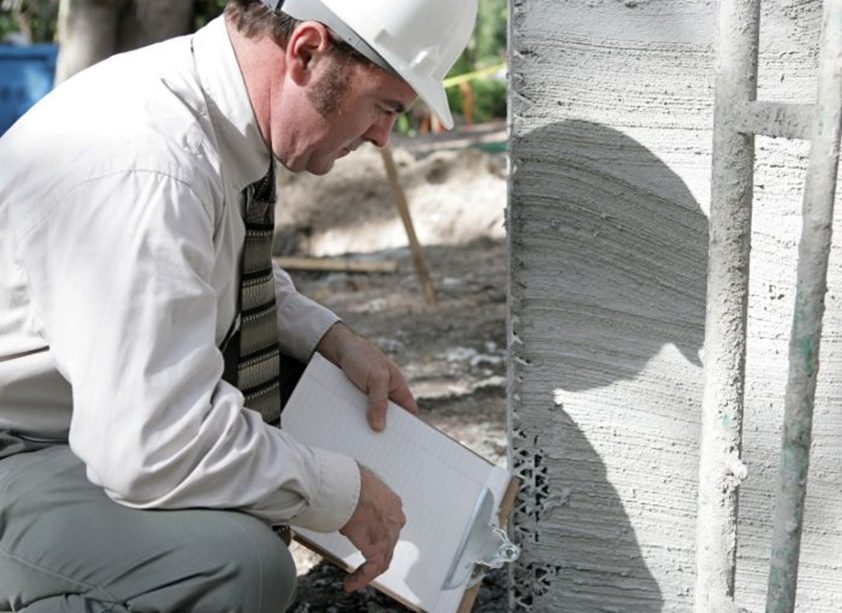
Structural problems rarely arrive with flashing lights. They often begin with a narrow wall crack, a door that sticks, or a floor that feels slightly uneven. These clues may appear harmless, but they can indicate movement beneath the structure. Learning how professionals interpret these signs can help you respond before damage spreads to more areas.
A foundation inspection in Corpus Christi gives you a clearer view of what is happening below and around the building. Instead of judging a crack on its own, an inspector studies its location, direction, width, and relationship to other changes. This broader approach can reveal a pattern that is easy to miss during a quick walk-through.
Why Hidden Structural Problems Are Hard to Spot
Foundation movement can affect several parts of a building at once. A gap near a window may appear in one room, while a sloping floor develops somewhere else. Because the signs are separated, you may not realize they share the same cause.
Slow changes are difficult to recognize. You may adjust to a door that rubs against its frame, even though the structure may still be shifting.
An inspector looks beyond individual symptoms. When several warning signs line up along the same wall, corner, or section of flooring, they can reveal where movement may be occurring.
Exterior Cracks Can Tell a Detailed Story
The outside of the building offers important evidence. An inspector may examine cracks in concrete, brick, mortar, stucco, and exterior walls. A thin vertical crack may suggest something different from a wide stair step crack running through mortar joints.
The inspector may also check for gaps around doors and windows, leaning chimneys, or spaces where walls meet the foundation. No single sign automatically proves serious damage, but several related signs can support further evaluation.
Soil and drainage conditions matter as well. Water that collects near the foundation can change how surrounding soil behaves. Poor grading, short downspouts, erosion, plumbing leaks, and soil pulling away from the structure may contribute to movement. An inspection connects these outside conditions with changes found indoors.
Interior Signs May Reveal a Larger Pattern
Inside, an inspector looks at walls, ceilings, floors, doors, and windows. Diagonal cracks above openings often receive close attention because those areas can show stress when the structure shifts. Cracks where walls meet ceilings may help define the affected area.
Uneven floors can provide another clue. A floor may slope, dip, bounce, or separate from the baseboard. These conditions can relate to foundation movement, damaged supports, framing issues, or a combination of problems. Measurements help compare one part of the floor with another.
Doors and windows also act as useful reference points. One sticking door may have a local cause, such as a loose hinge. Several openings that bind or fall out of the square may indicate broader movement. During a foundation inspection, their locations are compared with nearby cracks, changes in floor level, and exterior conditions.
Inspectors Connect Clues Instead of Guessing
A professional evaluation is more than a crack checklist. The inspector studies how each symptom relates to the building’s layout and support system. A sloping floor may align with an exterior crack, while a wall gap may appear above an area with poor drainage.
Basic tools may include levels, measuring devices, photographs, floor elevation readings, and detailed notes. The numbers still need context. Building design, framing, drainage, soil behavior, and visible damage all influence the inspector’s conclusions.
The inspection is generally limited to accessible areas. Materials behind walls, under flooring, or below ground cannot always be examined directly. Deeper concerns may require review by a structural engineer.
What You Can Learn From the Report
A foundation inspection report organizes the findings so you can understand what was observed and what may need attention. It may include photographs, measurements, crack locations, descriptions of damaged areas, and recommendations for the next step.
In Texas, inspectors licensed by the Texas Real Estate Commission must follow the agency’s Standards of Practice when those standards apply. The standards require an inspector evaluating a foundation to provide a written opinion about its performance. You can review the Texas Real Estate Commission’s inspection standards for more information.
A recommendation for further evaluation does not automatically mean the structure is close to failure. It means the available evidence needs a closer look. The report may suggest monitoring a crack, correcting drainage, requesting an engineering review, or discussing repair options.
What to Do After the Inspection
Read the report carefully and ask questions about anything that is unclear. Find out which areas need attention, which conditions should be monitored, and what changes would justify another evaluation. Keep the report, photographs, repair records, and later measurements together so you can compare conditions over time.
If repairs are recommended, check local permit requirements before work begins. The City of Corpus Christi states that foundation repair projects require an engineered, sealed foundation plan. Its Development Services guidance for residential repairs explains the local process and required documents.
Ask how proposed work addresses the cause of movement, which areas will be repaired, and how the results will be documented. Clear information turns a stressful concern into a manageable plan.
Conclusion
A foundation inspection can uncover hidden structural problems by connecting seemingly unrelated clues. Exterior cracks, uneven floors, sticking doors, drainage trouble, and wall separation each provide part of the picture. When those details are reviewed together, you gain a stronger understanding of the building’s condition.
Early evaluation gives you time to plan the next step with reliable information. Pay attention to changes, keep useful records, and seek qualified guidance when warning signs appear.
For help evaluating foundation concerns and discussing practical repair options, contact Better Foundation Repair Corpus Christi to schedule an assessment and take the next step with confidence.