
Can House Foundation Repair Stop Foundation Damage From Getting Worse?
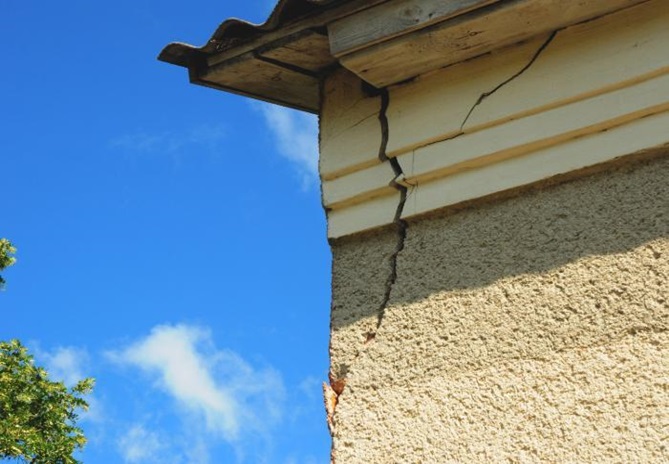
Foundation problems often begin with small changes that are easy to overlook. A thin crack may appear along a wall. A door that once opened smoothly may begin to stick. You might notice that part of the floor feels slightly uneven. These signs can seem minor at first, but they may point to movement beneath the structure that deserves attention.
When the foundation continues to settle or shift, stress can spread into walls, floors, windows, doors, and masonry. House foundation repair in Joplin can help address the underlying movement and stabilize affected areas before additional structural changes develop. Understanding how foundation damage progresses can help you recognize when an inspection may be worthwhile.
Why Foundation Damage May Continue to Develop
Your foundation depends on the soil beneath it for support. When soil conditions change, the amount of support beneath different sections of the foundation can also change.
Heavy rainfall can saturate soil and cause some soil types to expand. Extended dry periods can have the opposite effect, causing soil to shrink. Repeated cycles of expansion and contraction may create uneven pressure beneath the foundation.
Drainage problems can also contribute to movement. Water collecting near the foundation may soften or wash away supporting soil. Plumbing leaks beneath or near the structure can create similar problems.
Poor soil preparation during construction and natural settlement can also affect foundation stability.
If these conditions continue, foundation movement may continue. That is why repairing a visible crack without determining its cause may not solve the larger problem.
How House Foundation Repair Addresses Structural Movement
House foundation repair aims to stabilize areas that have experienced unwanted movement. The appropriate method depends on the type of foundation, the amount of settlement, soil conditions, and the location of the damage.
A contractor may begin by inspecting the structure and measuring areas where settlement appears to have occurred. These measurements help determine which sections have moved and how significant that movement may be.
Depending on the findings, repair methods may involve pier systems, underpinning, wall stabilization, or other structural solutions.
These approaches are different from cosmetic repairs. Filling a drywall crack may make the wall look better, but it does not correct settlement beneath the foundation. Structural repair focuses on the source of movement rather than simply covering its visible effects.
Watch for Signs That Movement Is Continuing
Foundation problems can reveal themselves in several parts of your house. Some signs develop gradually, while others become more noticeable after periods of heavy rain or dry weather.
Watch for changes such as:
- Cracks that grow wider or longer
- Stair step cracks through brick or masonry
- Floors that slope or feel uneven
- Doors that begin sticking or swinging open
- Windows that become difficult to operate
- Gaps forming around window or door frames
- Separation between walls and ceilings
- Cracks that return after being repaired
A small crack by itself does not always indicate serious structural trouble. Concrete naturally develops some minor cracking over time. The greater concern is a pattern of changes or damage that continues progressing.
Taking photographs can help you track these changes. Compare pictures every few months to see if a crack has changed in size or direction.
Why Cosmetic Repairs May Not Be Enough
It can be tempting to patch a crack, repaint the wall, and consider the problem finished. That approach may work when the crack is purely cosmetic, but it can hide evidence of continuing foundation movement.
If settlement continues beneath the structure, the repaired crack may reopen. New cracks may also appear nearby.
This is one reason house foundation repair starts with an evaluation rather than immediately filling visible damage. The contractor needs to determine what is happening beneath and around the structure before recommending a repair method.
An evaluation can also prevent unnecessary work. Some cracks result from normal material movement rather than major foundation failure. Identifying the difference helps you make a more informed decision.
What Happens During a Foundation Inspection?
A foundation inspection usually includes an examination of the structure’s exterior and interior. The contractor may look at foundation walls, floors, drywall, doors, windows, brickwork, and other areas where movement often leaves clues.
Floor elevation measurements may also be taken. These measurements help show whether certain parts of the structure are higher or lower than others.
You can help by explaining when you first noticed the problem and whether it has changed. Previous repair records and photographs can also provide useful information.
The Consumer Financial Protection Bureau also discusses the importance of identifying serious structural concerns during a home inspection and specifically lists a cracked foundation as an example of a potentially serious problem.
Can Early Repairs Reduce Additional Damage?
Addressing foundation movement sooner can reduce the chance that continued settlement will place additional stress on other parts of the structure.
As foundation movement progresses, it may affect drywall, flooring, trim, brickwork, plumbing connections, doors, and windows. These secondary problems can add complexity to the repair process.
Early house foundation repair also creates an opportunity to identify conditions that may be contributing to the movement. For example, poor drainage may need to be corrected so water does not continue collecting near the foundation.
Gutters should remain clear, downspouts should direct water away from the house, and the surrounding ground should encourage water to flow away from the foundation.
Repairing structural movement while ignoring a contributing drainage issue may leave an important part of the problem unresolved.
What Should You Do After Foundation Repairs?
Your involvement should continue after repairs are completed. Periodic checks can help you notice new changes early.
Walk around the exterior a few times each year and look for new cracking. Watch for doors and windows that start operating differently. Check previously repaired areas for changes.
Keep drainage systems working properly and address plumbing leaks promptly.
It is also useful to keep copies of inspection reports, repair documents, and photographs. These records create a foundation history that can help if another concern appears later.
When Is It Time to Call a Professional?
Consider scheduling an evaluation when you notice several foundation warning signs together or when existing damage is clearly progressing.
A crack that becomes wider, a floor that continues sloping, or a door that suddenly stops closing properly may indicate that movement is still taking place.
You should also investigate cracks that repeatedly return after cosmetic repairs.
Professional house foundation repair begins by determining why the foundation is moving. Once you understand the cause and extent of the problem, you can review appropriate options instead of guessing what might work.
Conclusion
Foundation damage rarely becomes easier to address when structural movement continues unchecked. Changes beneath the structure can gradually affect walls, floors, windows, doors, masonry, and other parts of your house.
Paying attention to warning signs gives you the chance to investigate problems before they spread. House foundation repair can help stabilize affected areas by addressing the source of the movement rather than simply hiding cracks.
If you have noticed foundation cracks, uneven floors, sticking doors, or other signs of movement, contact Joplin Foundation Repair Experts to discuss your concerns and learn more about the repair options available for your foundation.


